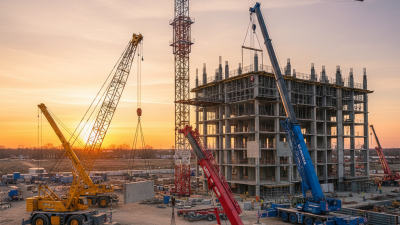
In the vibrant skyline of New York, cranes are a common sight. These towering structures are essential for construction projects. Understanding the different types of New York cranes can enhance your appreciation for the city's development.
Each crane serves a unique purpose. From the mobile crane to the tower crane, their designs are tailored for specific tasks. Some cranes are designed for tight urban spaces, while others can lift heavy loads to great heights. Knowing their differences can simplify complex construction processes.
However, not all cranes operate flawlessly. Mechanical issues can arise unexpectedly. It’s crucial to reflect on these challenges when considering the role of cranes in urban growth. Observing cranes around you can lead to insights about the city’s evolution and the engineering marvels at play.

Cranes are vital to New York's construction landscape. You will encounter several types of cranes at various job sites. Each type has unique features suited for different tasks.
Tower cranes dominate the skyline. They are used for high-rise buildings. These cranes can lift heavy materials up to great heights. But they require careful planning to install. Safety must be a priority here.
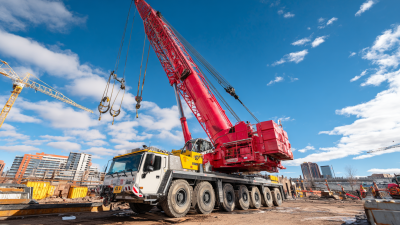
Another common type is the mobile crane. These are known for their flexibility. They can easily move from one site to another. Mobile cranes are useful for quick projects. However, they may not always handle heavy loads as efficiently.
Lastly, there are crawler cranes. These cranes have tracks instead of wheels. They offer stability on uneven ground. Yet, their size can be a drawback in crowded areas. Each crane type has strengths and weaknesses, demanding thoughtful consideration.
| Crane Type | Description | Common Uses | Max Load Capacity |
|---|---|---|---|
| Tower Crane | A fixed crane that provides height with a rotating arm. | High-rise buildings, large construction sites. | 10 tons to 25 tons |
| Mobile Crane | A crane that can be transported easily and can move freely on-site. | General construction tasks, roadwork. | 5 tons to 50 tons |
| Crawler Crane | A crane mounted on tracks, providing stability on uneven ground. | Heavy lifting in difficult terrains. | 20 tons to 1,000 tons |
| Rough Terrain Crane | Designed for off-road conditions. | Construction sites with rough terrain. | 30 tons to 60 tons |
| Truck-mounted Crane | A crane mounted on a truck chassis for mobility. | Light to medium lifts in urban settings. | 10 tons to 40 tons |
| Luffing Jib Crane | A type of tower crane with a moving jib that reduces swing. | Tight spaces, near buildings. | 10 tons to 20 tons |
| Bridge Crane | A crane that moves along a bridge with a hoist or travel mechanism. | Warehouses, factories. | 1 ton to 100 tons |
| Stacker Crane | Automated crane used in warehouses for stacking goods. | Automated storage systems. | Up to 5 tons |
| Articulated Crane | A crane with contorted boom and multiple joints for flexibility. | Tight spots and complex lifts. | 10 tons to 30 tons |
In urban settings, mobile cranes play a crucial role in construction. They are versatile and can navigate tight spaces. Their compact design allows them to fit in congested areas. This is essential in bustling cities like New York. Mobility means they can quickly respond to different job sites throughout the day.
These cranes come with several key features that enhance their functionality. For instance, some models have telescopic booms that extend to lift heavy materials high into the air. Other cranes are equipped with advanced controls for precision in maneuvering loads. Safety is also paramount, with features like automatic load monitoring. Yet, despite these innovations, operators sometimes face challenges. Wind conditions can affect stability, leading to unexpected adjustments. Heavy loads require careful planning to avoid mishaps.
When selecting a mobile crane, consider its specifications carefully. The lifting capacity and height are critical. However, equally important is how the crane's design accommodates urban obstacles. Space constraints can limit the choice of crane type. Operators must be adaptable, ensuring they make the best choice for each situation. This ensures efficiency while prioritizing safety and effectiveness in complex urban environments.
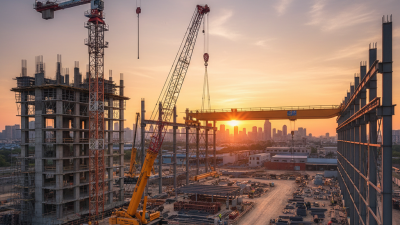
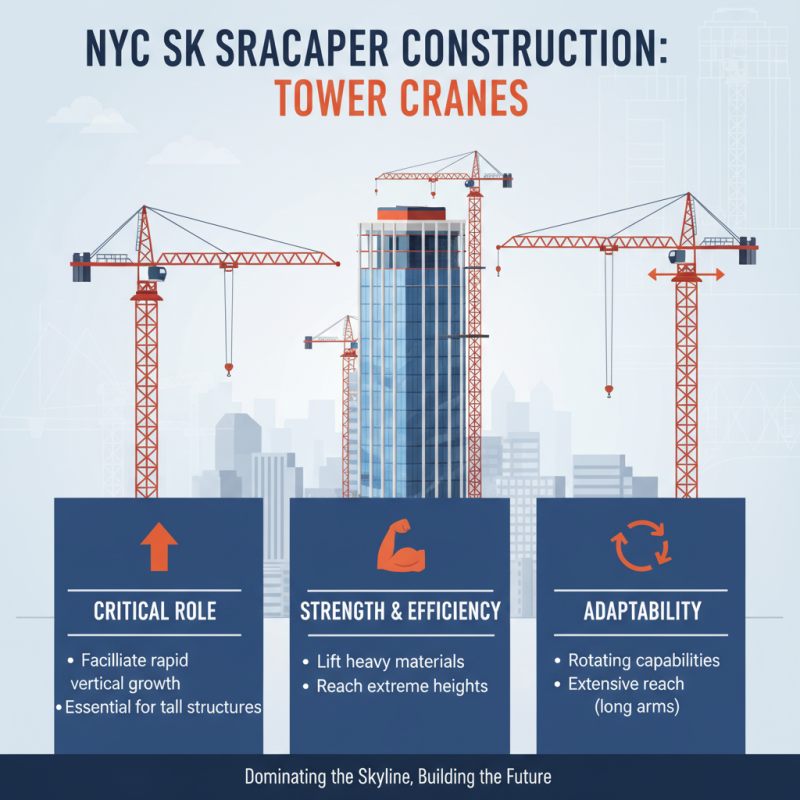
Tower cranes play a critical role in the construction of skyscrapers in New York City. These tall structures dominate the skyline, showcasing their strength and efficiency. They are often seen hovering over construction sites, lifting heavy materials high above bustling streets. With their long arms and rotating capabilities, tower cranes can reach exceptional heights, which is essential for building tall buildings.
The process of erecting these cranes is intricate. Workers carefully position them, ensuring stability and safety. However, not every crane placement is perfect. Miscalculations can lead to obstructions or delays. Balancing the load is another significant challenge. If the load is uneven, it could sway. This can create hazardous conditions for workers below.
While tower cranes are impressive, the reliance on them comes with drawbacks. Weather conditions can hinder their operation. High winds may ground the cranes, affecting construction timelines. Safety concerns also arise during strong storms or heavy snowfall. Nonetheless, when everything aligns, tower cranes enable the remarkable transformation of the NYC skyline. They are indispensable but not without their complications.
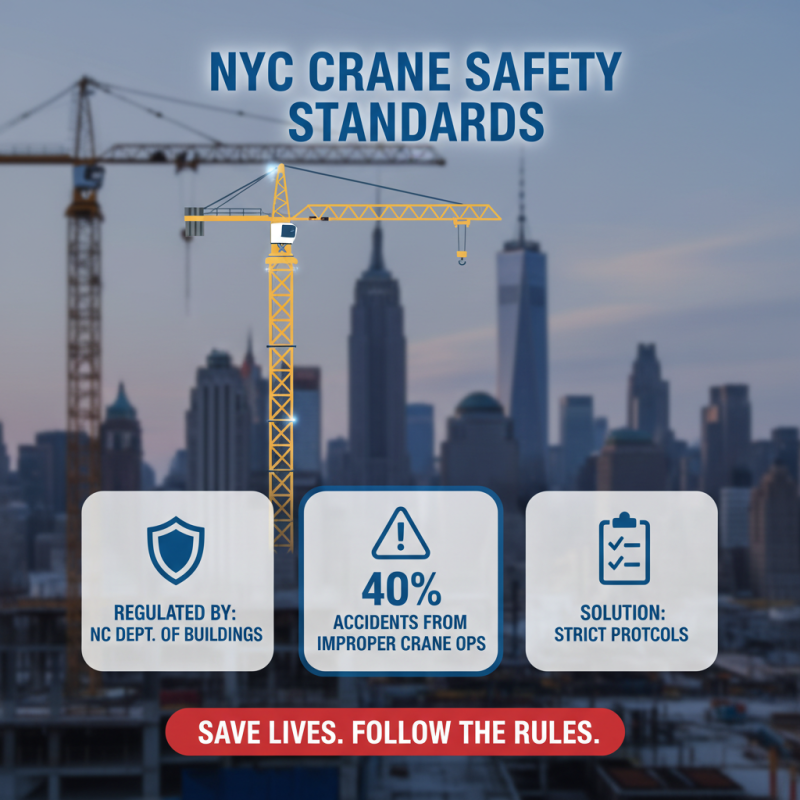
In New York, crane safety standards are crucial for construction operations. The New York City Department of Buildings (NYC DOB) regulates these standards. In recent years, reports indicated that improper crane operations contributed to 40% of accidents at construction sites. This highlights the need for strict adherence to safety protocols.
Operators must understand the significance of daily inspections. A study from the National Institute for Occupational Safety and Health pointed out that regular checks can reduce accidents by up to 25%. Many operators, however, overlook this crucial step. Proper training is vital. Many crane operators have not completed the necessary courses. Recent figures show that only 60% of operators are certified.
Furthermore, adherence to the safety standards set forth by OSHA is non-negotiable. Any lapses can lead to severe consequences. For instance, without proper load calculations, cranes can tip over. This demands constant vigilance and training updates. While many follow the rules, some still cut corners, leading to unsafe practices. The industry needs to reflect on these issues for better safety outcomes.
In recent years, innovations in crane technology have significantly transformed the construction landscape. Smart cranes equipped with sensors and advanced monitoring systems enhance operational efficiency. These cranes can provide real-time data on load weights and structural integrity. This technology minimizes risks and improves safety on job sites.
Moreover, electrically operated cranes are gaining popularity. They emit fewer emissions compared to traditional diesel-powered models. However, this shift to electric power presents its own challenges. Battery life and charging infrastructure still need improvement. Construction companies must adapt to these new energy sources to fully benefit from them.
The emergence of modular cranes has also changed the game. These cranes can be easily transported and assembled. They make it easier to work in tight urban spaces. Yet, the adaptability of modular cranes is not without issues. The setup process can be time-consuming, leading to potential delays. As technology evolves, the construction industry must continually reflect on these changes and find ways to overcome hurdles.