7 Tips for Buying 201 Stainless Steel Sheets

7 Tips for Buying 201 Stainless Steel Sheets

Buying 201 Stainless Steel Sheets can look simple until thickness, finish, and delivery details affect the final result. These sheets are often chosen for kitchen equipment, decorative panels, furniture, and indoor fabrication. Their lower nickel content can make them more cost-effective than some 300-series alternatives. However, price alone does not show whether the material suits a specific environment.

A reliable purchase starts with understanding the application. Indoor panels and dry workshop parts may perform well, while humid or salty conditions require more careful evaluation. Check the stated grade, thickness tolerance, surface finish, edge condition, and available dimensions. Request a mill test certificate when traceability matters. Ask how the sheets were packaged, especially if scratches would damage a visible surface. Small details matter.

The supplier’s experience also deserves attention. Clear answers about cutting, forming, welding, and polishing often reveal practical knowledge. Samples can expose problems before a large order arrives. Even experienced buyers sometimes focus too heavily on unit price. That mistake can become expensive after fabrication begins. It is worth comparing certificates, inspection methods, payment terms, and replacement policies together.

The following seven tips explain how to assess 201 Stainless Steel Sheets with greater confidence. They focus on material verification, service conditions, dimensional accuracy, surface quality, supplier reliability, and total purchasing cost. Some recommendations may need adjustment for unusual projects. That is normal. Careful questions remain more valuable than confident assumptions.
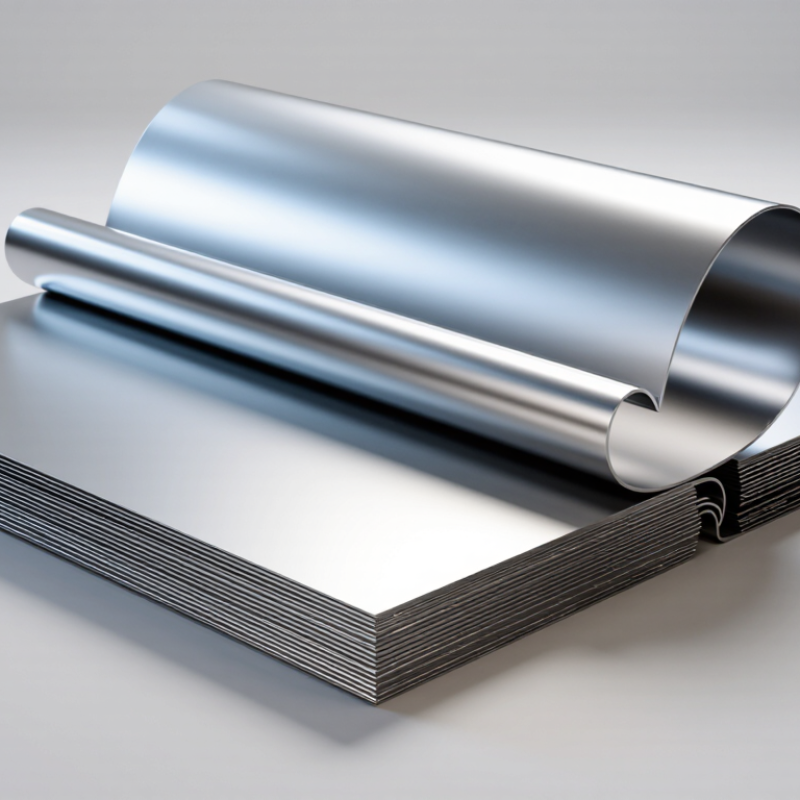
7 Tips for Buying 201 Stainless Steel Sheets

Understanding 201 Stainless Steel and Its Common Applications

201 stainless steel is an austenitic grade containing chromium, nickel, and manganese. Its reduced nickel content often makes it more economical than 304 stainless steel. However, lower cost does not mean equal performance.

In practical inspection, a shiny sheet can still hide problems. Check the mill certificate, thickness tolerance, surface finish, and edge condition before buying. Common finishes include bright, brushed, and matte surfaces. A brushed sheet may conceal light scratches, but deep dents remain obvious.

Confirm the exact dimensions and inspect flatness under clear lighting. A simple caliper check can expose a thickness mismatch.

201 stainless steel performs well in indoor applications with moderate exposure. It is commonly used for kitchen equipment, sinks, appliance panels, decorative trim, furniture, and light fabrication. It also responds well to forming, although repeated bending can increase hardness and cause cracking. Care is needed during welding.

Avoid using it near seawater, swimming pools, strong acids, or heavy salt exposure without technical verification. Chlorides may cause staining or corrosion. That limitation is easy to overlook. Surface maintenance also matters; harsh cleaners can damage its appearance. A practical buyer should match the grade to the environment, not only the price. My own correction to this advice is simple: visual quality is not proof of long-term durability. Ask for test data when the sheet will face heat, moisture, or chemicals.

Checking Sheet Grade, Thickness, Size, and Surface Finish

When buying 201 stainless steel sheets, verify the grade before comparing prices. ASTM A240/A240M identifies requirements for stainless steel sheet and strip, but “201” can vary by specification. A typical 201 grade contains about 16–18% chromium, 3.5–5.5% nickel, and higher manganese. Request the mill test certificate. Check the chemical composition, heat number, and mechanical results. A certificate without traceable heat information deserves caution.

Thickness and size need practical checking. Measure several points with a calibrated micrometer, especially near edges and corners. ASTM A480/A480M provides general dimensional tolerances and surface requirements for stainless products. Do not rely only on the listed thickness. A 1.0 mm sheet may not measure exactly 1.0 mm. Cutting allowances, flatness, and actual length can affect fabrication. Confirm whether dimensions are nominal or delivered sizes. ISO 9445 also provides dimensional guidance for continuously rolled stainless products.

Surface finish changes both appearance and performance. Common finishes include 2B, BA, and No. 4, but descriptions may differ between mills. Ask for a sample under the intended lighting. A smooth sheet can reveal scratches after bending. The International Stainless Steel Forum reported global stainless crude steel production of about 58.4 million tonnes in 2023, showing the scale of this market, but volume does not guarantee consistency. I have seen buyers focus too much on shine. That is a mistake. Confirm finish direction, protective film, roughness limits, and packaging details in writing. Inspect a few sheets before accepting the full shipment.

7 Tips for Buying 201 Stainless Steel Sheets - Checking Sheet Grade, Thickness, Size, and Surface Finish
Tip What to Check Typical Data or Requirement Recommended Verification Buying Consideration
1 Confirm the steel grade 201 stainless steel is an austenitic Cr-Mn grade commonly identified as UNS S20100. Typical composition includes approximately 16.0–18.0% chromium, 3.5–5.5% nickel, and 5.5–7.5% manganese. Request the material test certificate and check the heat number, chemical composition, mechanical properties, applicable standard, and grade designation. Do not treat 201 as a direct substitute for 304 in every application. Its lower nickel content can affect corrosion resistance and forming performance.
2 Check the product standard Common sheet and plate specifications may reference ASTM A240/A240M or an equivalent national or regional standard, depending on the order and destination market. Confirm the exact standard edition, delivery condition, inspection requirements, and whether the material is certified as sheet, plate, or coil-processed sheet. A grade name alone is not enough. The standard controls chemistry, tolerances, mechanical requirements, testing, marking, and documentation.
3 Verify thickness and tolerance Common commercial thicknesses include approximately 0.50–6.00 mm, although availability varies by mill, finish, width, and production route. Measure several locations with a calibrated micrometer and compare the results with the specified tolerance in the applicable standard. Record nominal thickness and minimum/maximum readings. Specify whether the required thickness is nominal or guaranteed minimum. Cold-rolled and hot-rolled products may have different dimensional tolerances.
4 Confirm sheet size and flatness Frequently ordered cut-sheet sizes include 1,000 × 2,000 mm, 1,220 × 2,440 mm, and 1,500 × 3,000 mm; these are market examples, not universal standard sizes. Check length, width, diagonal difference, edge squareness, and flatness against the purchase specification and applicable standard. Larger sheets can reduce cutting waste but may increase handling, packaging, freight, and distortion risks. Confirm usable dimensions rather than only nominal dimensions.
5 Select the surface finish Common stainless steel finishes include No. 1 (hot-rolled and annealed/pickled), 2B (cold-rolled, annealed, pickled, and skin-passed), BA (bright annealed), and No. 4 (brushed finish). Compare the finish designation, roughness requirement where applicable, protective film, visible uniformity, and sample appearance under the intended lighting conditions. Finish names can be interpreted differently between suppliers. Use a physical sample or an agreed reference panel for appearance-critical work.
6 Assess corrosion and service conditions 201 stainless steel is generally suitable for mild indoor, architectural, kitchen-equipment, and decorative applications when exposure is controlled. It is less suitable for chloride-rich, marine, acidic, or continuously damp environments. Review humidity, salt exposure, cleaning chemicals, temperature, welding requirements, and contact with dissimilar metals before ordering. Surface contamination, poor cleaning, crevices, and chloride deposits can cause staining or corrosion even on stainless steel. Select the grade based on the actual service environment.
7 Inspect packaging, traceability, and quantity Sheets should normally be separated and protected against scratching, moisture, and edge damage. Each bundle should be traceable to a heat or batch number and clearly marked with grade, size, thickness, finish, and quantity. Inspect packaging before unloading, photograph visible damage, verify bundle weight and piece count, and match markings with the purchase order and material certificate. Clarify allowable surface defects, replacement terms, packing method, delivery condition, and whether protective film is required before production begins.

Evaluating Corrosion Resistance for Your Intended Environment

7 Tips for Buying 201 Stainless Steel Sheets

Evaluating corrosion resistance starts with the intended environment, not the lowest quotation. Grade 201 contains less nickel than many austenitic alternatives, so its resistance can vary in damp or aggressive conditions. It often performs well indoors, in dry equipment, and in light-duty furniture. Chloride exposure is different. Coastal air, salt spray, and de-icing chemicals may cause staining or pitting. Check these conditions before selecting the sheet.

Ask for the material certificate, chemical composition, thickness tolerance, and surface finish. A smooth, well-polished surface usually retains fewer contaminants than a rough finish. Yet appearance can mislead. I have seen attractive sheets develop brown spots near welds after repeated moisture exposure. Test a sample near drains, fasteners, and welded corners. These locations often fail first. Cleaning routines also matter; trapped dust and salt can accelerate corrosion.

Consider forming and fabrication carefully. Deep drawing, sharp bends, and welding may change surface performance, especially when heat tint remains untreated. Confirm whether the supplier recommends pickling, passivation, or another cleaning process for your application. Do not rely only on a general corrosion-resistance chart. A short site trial may reveal more than a laboratory assumption. If the environment includes acids, strong alkalis, persistent condensation, or seawater, compare 201 with a more corrosion-resistant grade before committing to the full order.

Comparing Quality Standards, Certifications, and Supplier Reliability

7 Tips for Buying 201 Stainless Steel Sheets
Tip 1: Confirm the required standard before comparing prices.
ASTM and EN specifications may use different testing methods and tolerances. Check the material designation, thickness range, surface finish, and dimensional limits. A sheet marked “201” is not automatically equal in performance. Nickel and manganese levels can vary within accepted grades.
Tip 2: Request a mill test certificate for every production batch.
It should show chemical composition, mechanical results, heat number, and applicable standard. Match the heat number with the sheet label or packing list. This small check can expose paperwork errors. I have seen documents that looked complete but lacked traceability. That is a warning sign.
Tip 3: Review certification carefully.
ISO 9001 supports quality management, but it does not guarantee perfect sheets. Ask whether the certificate is current and issued for the actual manufacturing site. Product inspection reports are also useful. Independent testing may confirm thickness, hardness, surface condition, and corrosion behavior. Test samples under your real service conditions when possible.
Tip 4: Evaluate supplier reliability through evidence, not promises.
Ask about production capacity, inspection procedures, packaging, lead times, and complaint handling. A reliable supplier can explain how damaged sheets are replaced. Request a small sample order before committing to large volumes. This is slower, but safer. Price alone is a poor quality standard. Keep records of approvals, deviations, and delivery performance. Mistakes happen; hidden mistakes cost more.

Balancing Pricing, Processing Requirements, and Long-Term Value

7 Tips for Buying 201 Stainless Steel Sheets

Buying 201 stainless steel sheets requires more than comparing price per kilogram. Check the material grade first. Its lower nickel content can reduce cost, but corrosion resistance may be weaker than some alternatives. Match the sheet to its environment. Indoor panels and decorative parts usually need less protection than damp, salty areas.

Compare delivered cost, not only the supplier’s quoted price. Include cutting, packaging, freight, and possible surface repairs. Confirm thickness tolerance before ordering. A thin sheet may reduce the invoice but create bending problems later. Ask about the finish, such as 2B or brushed surfaces. Small scratches become obvious under bright workshop lights. Request a sample when appearance matters. It is a modest expense.

Processing requirements should guide the purchase. Check whether the sheet will be laser cut, folded, punched, or welded. Tight bends need suitable thickness and tooling. Welding can affect appearance and corrosion performance around the joint. Ask for test reports and heat or batch traceability. Clear documents improve confidence. They also help resolve disputes.

Long-term value is harder to measure. A cheaper sheet may require more cleaning, replacement, or finishing work. Review the service environment, expected lifespan, and maintenance schedule. I would not assume 201 steel always offers the best value. That assumption can fail. A small trial order can reveal forming behavior, surface quality, and actual labor costs before a large purchase.