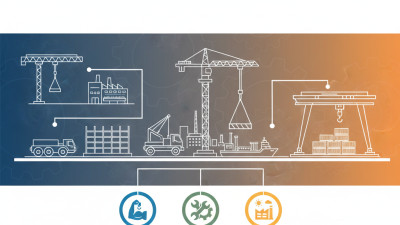
In the dynamic world of hoist and crane operations, safety is paramount. According to John Smith, an industry expert with over 20 years of experience, "Every lift presents a new challenge and demands our full attention." His insights remind us that even routine tasks can lead to accidents if safety protocols are overlooked.
Hoist and crane operations involve heavy equipment that can be dangerous. Proper training and vigilance are non-negotiable. Operators must be aware of their surroundings and the load’s weight capacity. Equipment inspections should be routine; neglecting this can lead to catastrophic failures.
In recent years, we've seen incidents due to complacency. Many operators felt confident and skipped safety checks. This reflects a crucial need for continuous education and a culture of safety. Ultimately, every team member must embrace responsibility. The stakes are too high to ignore. Safety is not just a policy; it's a mindset that must be nurtured daily.
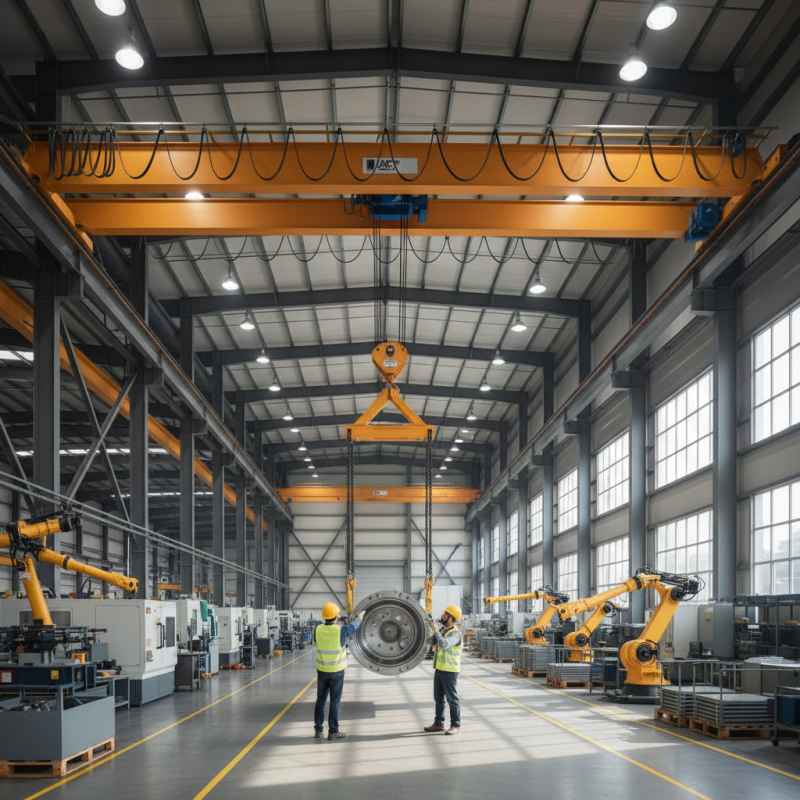
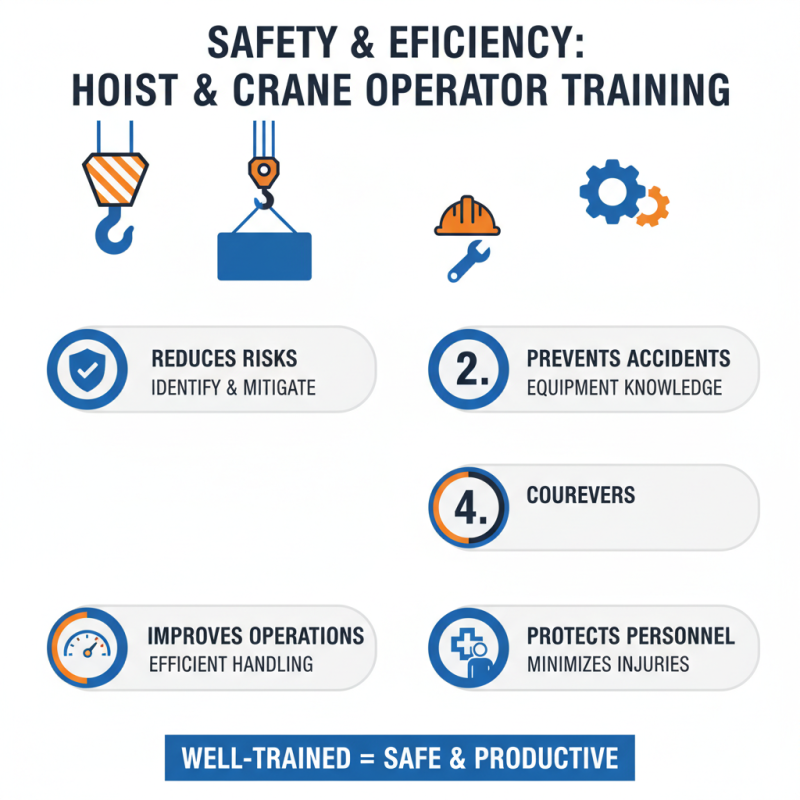
Proper training for hoist and crane operators is crucial. It ensures safety and efficiency in operations. Well-trained personnel can identify risks and respond quickly. They understand the equipment's capabilities and limitations. This knowledge minimizes accidents and injuries on site.
Training should cover various aspects. It must address safety protocols, inspection procedures, and load capacities. Operators should engage in hands-on practice. Simulations can enhance their skills in real-world scenarios. Regular refreshers are vital to keep knowledge current. Often, people become complacent, which can lead to mistakes.
It's necessary to evaluate training programs regularly. Are they comprehensive? Do they provide adequate practical experience? Seeking feedback from operators can reveal gaps. Continuous improvement is essential for safety. Investing in training not only protects workers but also boosts overall productivity.
Regular inspections and maintenance are critical for hoists and cranes. According to the Occupational Safety and Health Administration (OSHA), improper maintenance accounts for a significant percentage of workplace accidents. Ensuring these machines are in good condition helps reduce risks and prevent injuries.
One essential tip is to schedule regular inspections. These should include checks on cables, hooks, and electrical systems. Inspections should be documented systematically. Many operators overlook this detail, which can lead to safety oversights. A report by the National Institute for Occupational Safety and Health (NIOSH) states that regular audits can reduce accidents by up to 30%.
Maintenance often gets neglected. Clean and lubricate moving parts routinely. A study highlighted that 65% of crane failures can be traced back to a lack of proper maintenance. Operators should also assess wear and tear frequently. This attention to detail can save both time and money in the long run. Cranes and hoists require respect; even minor issues can escalate quickly if ignored.
Understanding load limits and proper weight distribution is crucial in hoist and crane operations. In a recent report by the Occupational Safety and Health Administration (OSHA), it was noted that improper load handling contributes to over 25% of crane-related incidents. Operators must clearly understand the specific load limits assigned to each piece of equipment. This knowledge helps prevent accidents that could lead to serious injuries or fatalities.
Weight distribution is equally important. Uneven loads can shift during lifting, increasing the risk of tipping. Operators must ensure that loads are balanced and securely fastened. A common mistake is underestimating the effects of load weight during swing or travel. According to a study by the National Institute for Occupational Safety and Health (NIOSH), 40% of accidents involve inadequate consideration of this factor. Proper training emphasizes checking the center of gravity before each lift. This practice can significantly reduce the chances of mishaps.
Operators often face pressure to lift loads quickly, but haste can lead to oversights. Regular equipment checks are vital. A 2021 report highlighted that 35% of crane incidents were due to mechanical failures. Operators should maintain a checklist to inspect crane components and load limits. Awareness and vigilance are key factors in creating a safer working environment.
Effective communication is critical on job sites with hoists and cranes. Without clear protocols, accidents can happen. Workers must understand their roles and responsibilities. This clarity prevents misunderstandings and enhances safety.
Consider establishing a visual signaling system. This can include flags or colored vests. These signals should be easy to identify. They help workers communicate quickly, especially in noisy environments. Regularly review these signals with the team.
Use radios or hand signals for direct communication. Encourage all workers to speak up if something feels off. If a load looks unstable, it’s vital to halt operations. Sometimes, even minor inconsistencies can lead to major issues. Involve your whole team in safety briefings. Each person should have a voice.
| Tip Number | Safety Tip | Description | Importance |
|---|---|---|---|
| 1 | Pre-Operational Checks | Inspect all equipment and safety devices before use. | Ensures equipment is in safe working condition. |
| 2 | Clear Communication | Establish and use specific hand signals. | Reduces misunderstandings during operations. |
| 3 | Load Limits | Adhere to manufacturer load limits. | Prevents equipment failure and accidents. |
| 4 | Proper Training | Ensure all operators are properly trained. | Enhances operational safety and efficiency. |
| 5 | Site Awareness | Be aware of surroundings and other personnel. | Reduces risk of injuries on site. |
| 6 | Use PPE | Wear appropriate personal protective equipment. | Protects workers from hazards. |
| 7 | Emergency Procedures | Have a clear emergency response plan. | Preparedness can save lives in emergencies. |
| 8 | Communication Devices | Use radios or other devices for clear communication. | Enhances coordination between team members. |
| 9 | Signal Person | Designate a signal person for complex lifts. | Reduces confusion during operations. |
| 10 | Regular Safety Meetings | Hold regular meetings to discuss safety concerns. | Keeps safety awareness high among workers. |
During hoist and crane operations, utilizing Personal Protective Equipment (PPE) is vital. Hard hats protect your head from falling debris. Safety goggles shield your eyes from dust and sparks. Gloves are crucial for grip and to protect your hands from sharp edges. Always make sure your PPE fits well. Ill-fitting gear can be just as risky.
Consider the environments you work in. If it's noisy, ear protection is necessary. High-visibility vests help ensure that you are seen by machine operators. Boots with steel toes provide extra protection. Reflect on whether you have all the required PPE before starting. Rushing can lead to oversight.
Regularly inspect your gear for wear and tear. Damaged PPE? Replace it immediately. Sometimes, we might feel invincible, but that’s a dangerous mindset. Each operation is unique, and your safety gear needs to match. Stay aware of your surroundings and the tasks at hand. The right PPE can make a significant difference. Being prepared is not just a good practice; it's essential for your safety.
This chart displays the importance of various personal protective equipment (PPE) used during hoist and crane operations based on survey data from safety training sessions.